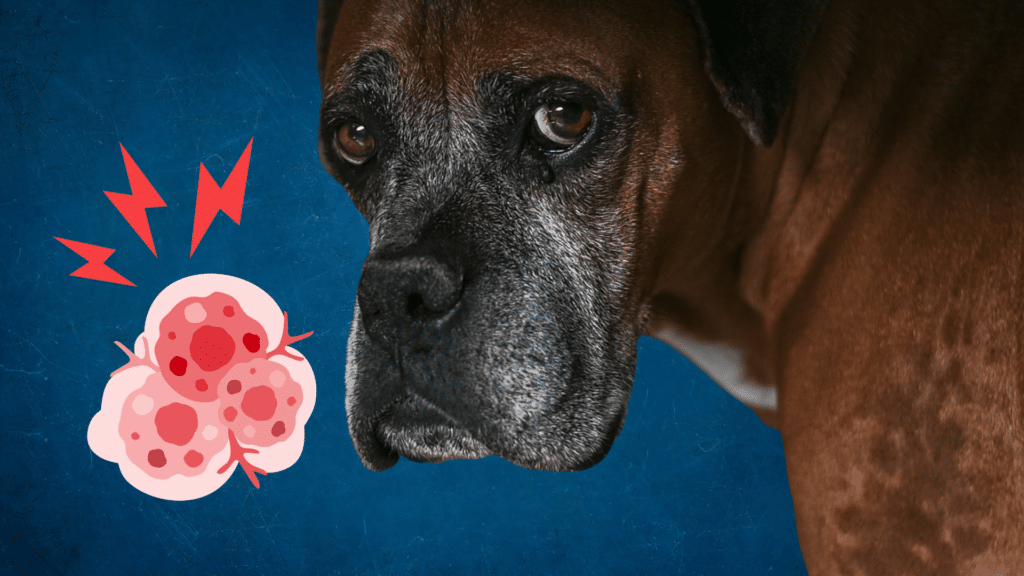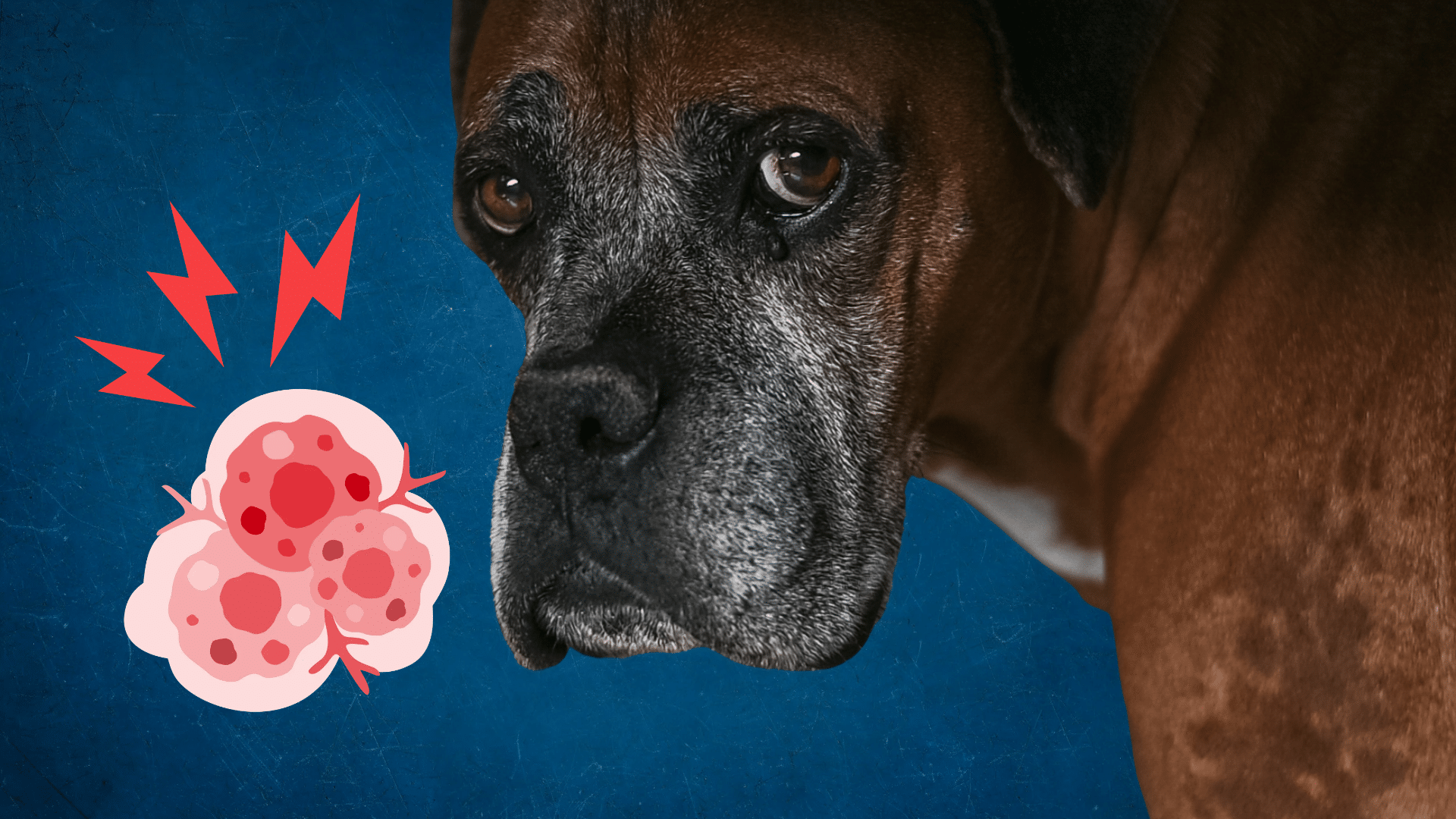
Discovering a lump on your dog can bring up plenty of questions. How long has it been there? Is it growing? Should you be worried? For many pet owners in Monroeville, PA, the biggest concern is whether that unexpected bump could be a sign of cancer in dogs.
While finding a new growth can be alarming, it’s worth remembering that many lumps are not cancerous. Some are simply fatty deposits or harmless skin growths. However, you should still have new growths checked at Northern Pike Veterinary Hospital.
Does a Lump Always Mean My Dog Has Cancer?
No. Dogs can develop a variety of lumps and bumps throughout their lives, and many are benign. Fatty tumors, also called lipomas, are particularly frequent in older dogs. Cysts, warts, and localized inflammation can also create noticeable growths.
However, cancer in dogs is a serious health concern. The American Veterinary Medical Association estimates that approximately one in four dogs will develop cancer during their lifetime. Age increases the likelihood of certain cancers, while genetics places some breeds at greater risk.
Unfortunately, a cancerous mass can sometimes look or feel just like a harmless lump. That’s why having a veterinarian examine new or changing growths is so important.
What Are the Possible Signs of Cancer in Dogs?
Lumps are one potential symptom, but cancer in dogs doesn’t always produce obvious skin changes. Depending on the type and location of the disease, symptoms may affect your dog’s appearance, behavior, or overall health.
Watch for warning signs such as:
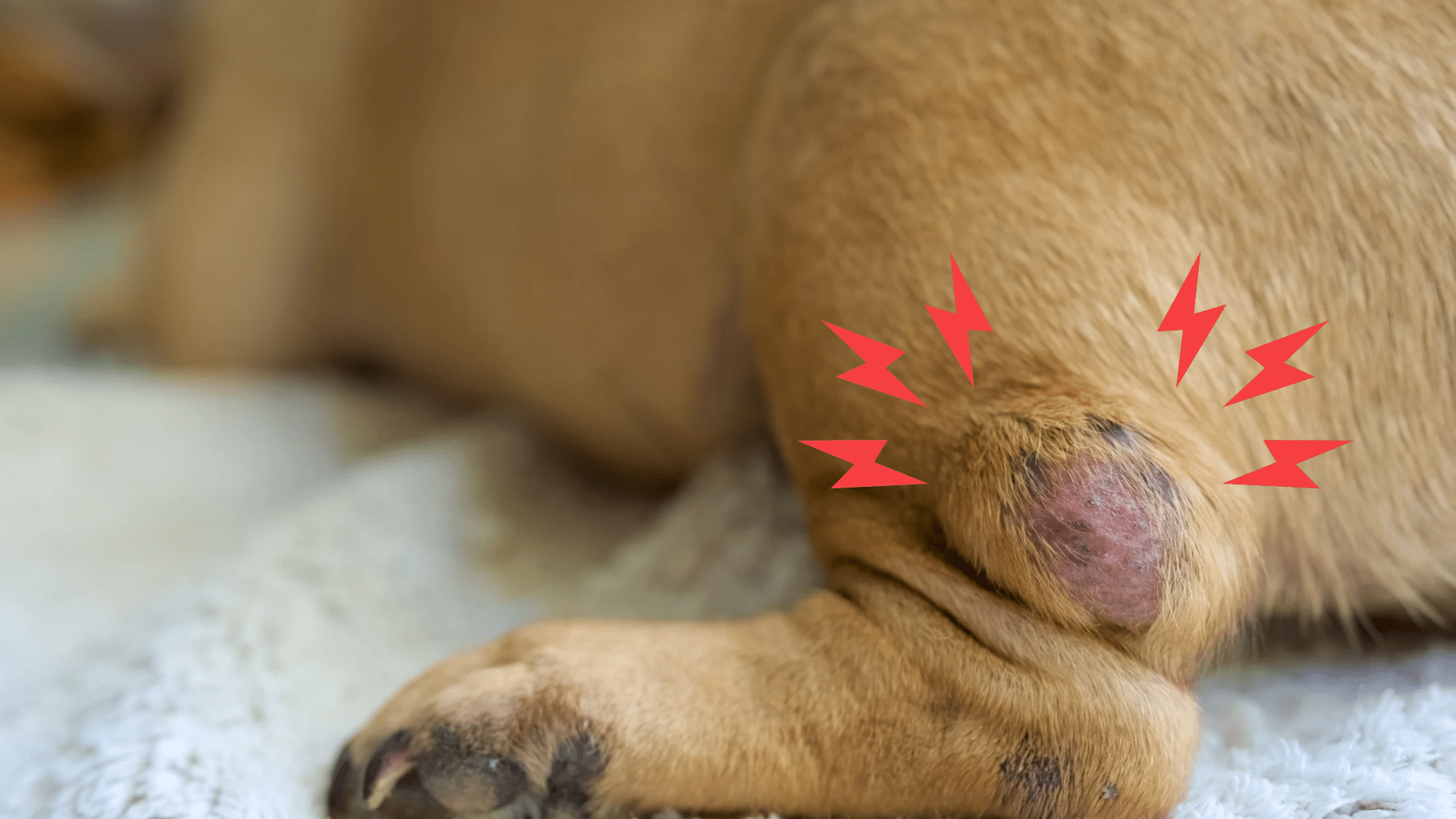
- New lumps or bumps: Especially growths that enlarge, change shape, or become irritated.
- Weight loss: Losing weight without changes to diet or activity.
- Breathing problems: Persistent coughing or difficulty breathing.
- Sores that don’t heal: Persistent wounds or unusual skin lesions.
- Unexpected bleeding: Bleeding or discharge from the nose, mouth, or other areas.
- Changes in appetite: Eating less or refusing meals.
- Reduced energy: Unusual fatigue or reluctance to exercise.
These symptoms can also occur with noncancerous medical conditions. A veterinary examination is necessary to investigate their cause. If your dog experiences severe bleeding or breathing difficulties, seek emergency care immediately.
What Happens When a Veterinarian Examines a Lump?
When you bring your dog in for a suspicious growth at Northern Pike Veterinary Hospital, a veterinarian will first examine the affected area. They’ll evaluate its size, location, texture, and whether it appears attached to surrounding tissues.
Your veterinarian may recommend collecting a small sample of cells through a fine needle aspirate. This relatively simple procedure can provide valuable information about the type of growth. In some cases, a biopsy or additional testing may be necessary to reach a diagnosis.
If a growth is diagnosed as cancerous, the recommended next steps will depend on the type of cancer, its location, and your dog’s overall condition.
How Often Should I Check My Dog for Lumps?
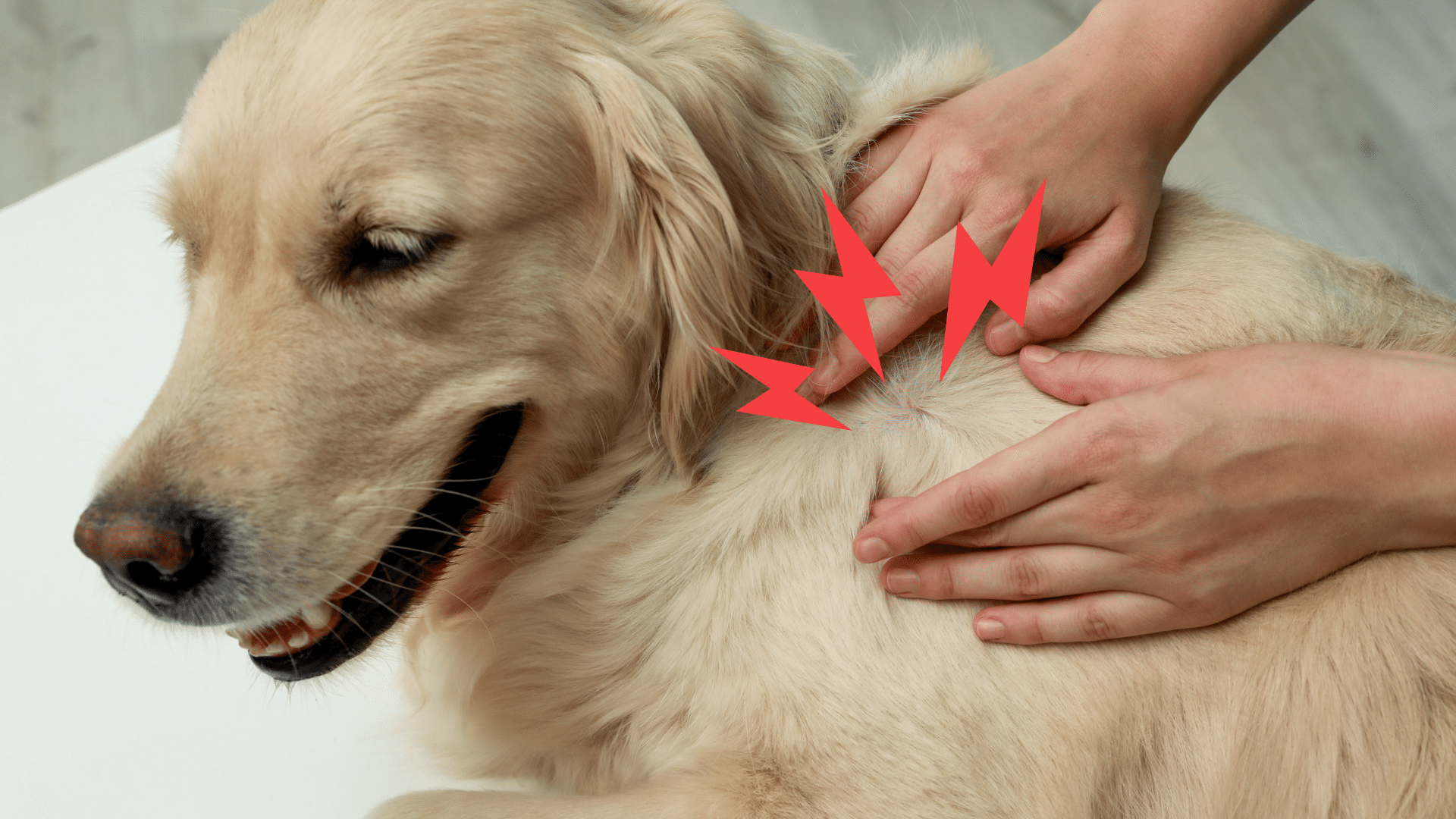
Regularly checking your dog’s body is a simple way to become familiar with what’s normal for them. You can easily incorporate these checks into everyday activities like brushing, bathing, or relaxing together.
Gently feel along your dog’s neck, back, chest, belly, and legs. Pay attention to areas beneath the collar, behind the ears, and between the toes. If your dog is comfortable, take a quick look inside their mouth for unusual swelling or changes in the gums.
Senior dogs may benefit from more frequent checks because their risk of developing certain tumors increases with age.
If you notice a new growth, photograph it and record its approximate size. Don’t assume that a lump is harmless simply because it’s small, soft, or painless. Even subtle changes deserve veterinary attention.
Can Cancer Develop Without a Noticeable Lump?
Yes. Some forms of cancer in dogs affect internal organs, blood cells, or tissues that cannot be seen or felt from the outside.
Changes such as persistent vomiting, unexplained weight loss, unusual tiredness, or declining appetite may indicate an underlying illness.
Routine wellness visits give your veterinarian an opportunity to assess your dog’s health and recommend diagnostic testing when appropriate. Monitoring both physical changes and behavior can make it easier to recognize when something isn’t right.
Schedule a Lump Evaluation in Monroeville, PA
If you’ve discovered an unfamiliar bump on your dog, don’t assume the worst, but don’t ignore it either. Northern Pike Veterinary Hospital is a family-owned veterinary practice serving Monroeville, McKeesport, and Greensburg. Our team understands that concerns about cancer in dogs can be stressful. Whether your pet has a benign growth or requires additional testing and treatment, we’re committed to providing compassionate care and clear communication.
If you’ve noticed a lump or other unexplained changes in your dog’s health, schedule an appointment with Northern Pike Veterinary Hospital.